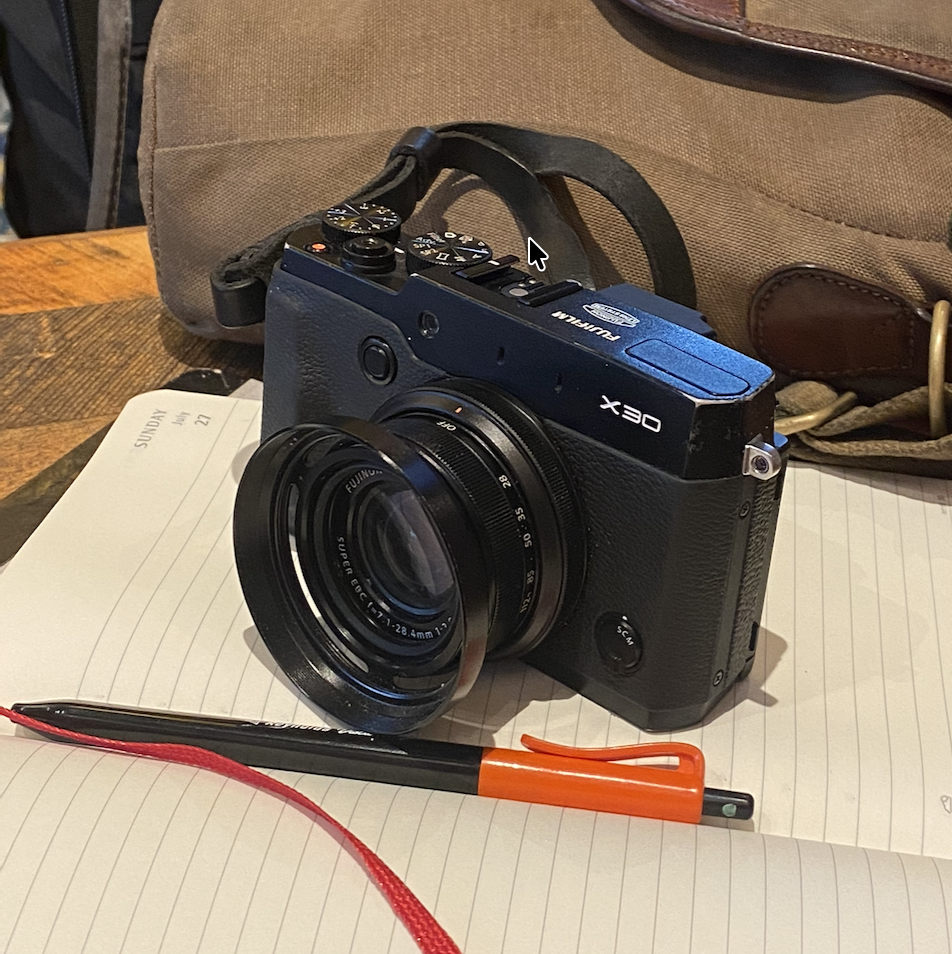
The Fujifilm X30 is an excellent compact camera that's been my trusty travel camera on multiple trips around the world. It has a unique vintage-futuristic look, and a 'metal where it matters' construction that makes it satisfying to handle. Its bright variable lens makes it extremely versatile, and it packs an entire shooting setup in a camera that fits in my small camera bag with plenty of room left for my kindle.
The sensor is approximately the size of a modern smartphone and is the camera's biggest quirk. With custom film simulations from Fuji X Weekly, I consistently get pleasing muted filmic shots that look good printed postcard-sized. However, the sensor struggles in low light and has low dynamic range; thus getting a good shot requires working with the light, keeping an eye on your settings (or embracing auto mode), or using flash.
The camera's EVF is exceptional for a camera of its size and age, and is almost exclusively how I shoot. With the LCD disabled, the battery life is pretty good. That said, when I'm out shooting I switch the camera off if I haven't shot for a few minutes. The camera turns on and off by manually zooming the lens. This quirk is an exceptionally well-thought-out design choice — it means there's no flimsy electronic zoom motor that's slow and can break, and I always want to set the zoom when I turn the camera on anyway, so it's really intuitive. The camera also has all the settings you would want from an enthusiast/pro camera, including a range focusing guide.
I briefly owned a Ricoh GR III, which I replaced with this camera, and I'm much happier with the X30, though they're very different beasts. I don't think the X30 is for everyone, but if you want a good cheap(ish) enthusiast travel camera with film simulations, a pop-up flash, and you like the X30's sensor, then this is hard to beat.
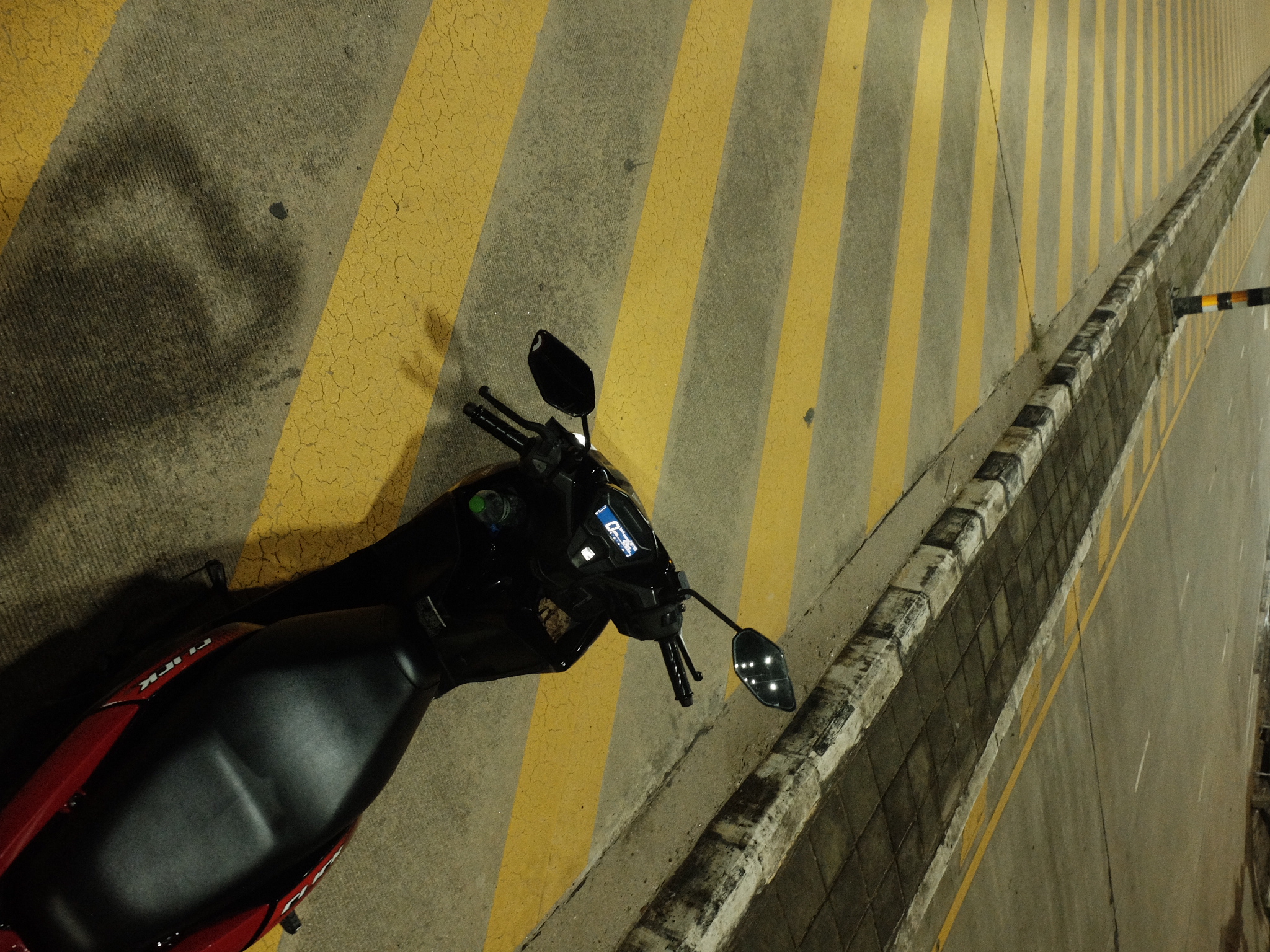

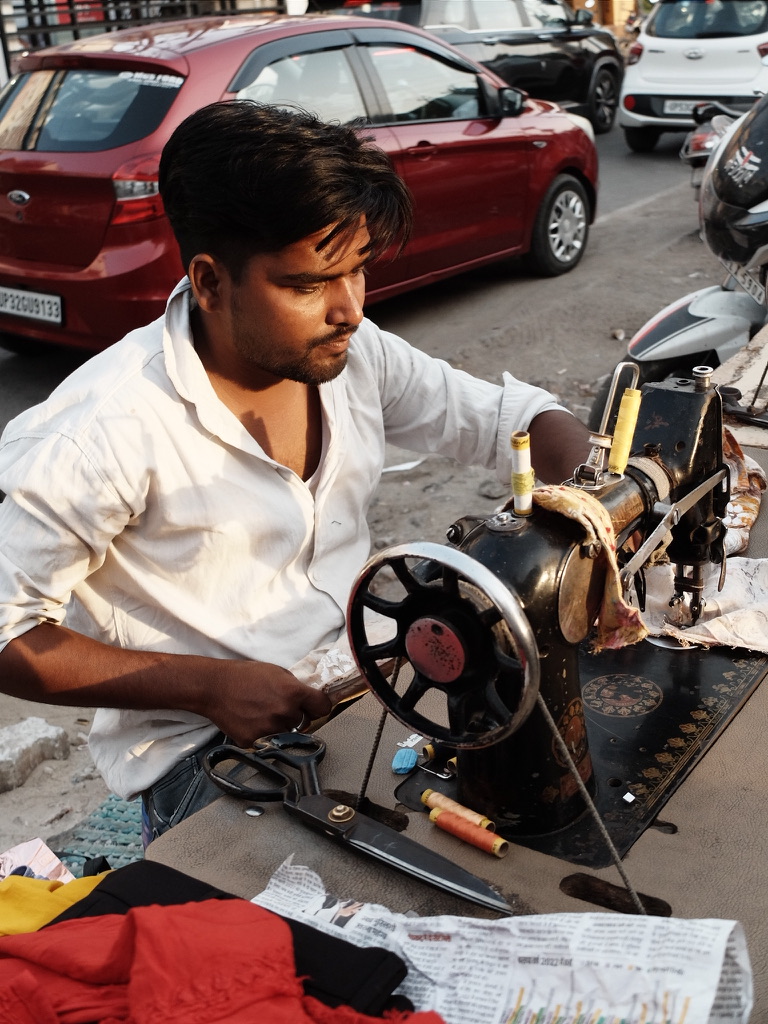

After a year of shooting with the X30 I've bought my second Fujifilm camera, the X-T2. It has an APS-C sensor that does much better in low light, significantly higher dynamic range, as well as a water resistant body which I can take outside on rainy English days. It's a relatively small camera but much larger than the X30, which will take some getting used to. The main reason I bought it is to shoot with a more capable sensor. It's often said that shooting with constraints improves your creativity, and I think that's probably true. However, I'm looking forward to increasing the amount of situations I can shoot in.
Written 13 March 2026